10月23日下午,第83期iTalk“跨文化艺术交流:创新与案例”活动在新土木馆B200(地下二层)举办。本次活动由清华大学学生全球胜任力发展指导中心提供指导,清华大学研究生会、清华大学美术学院研究生分会和清华大学土木工程系暨建设管理系研究生分会主办。
On the afternoon of October 23, the 83rd iTalk event, “Cross-Cultural Artistic Exchange: Innovation and Cases”, was held at B200 (The 2nd basement), the New Building of Civil Engineering. The event was guided by the Center for Global Competence Development at Tsinghua University, hosted by the Graduate Student Union of Tsinghua University, the Graduate Student Union of the Academy of Arts & Design, and the Graduate Student Union of the Department of Civil Engineering and Construction Management.
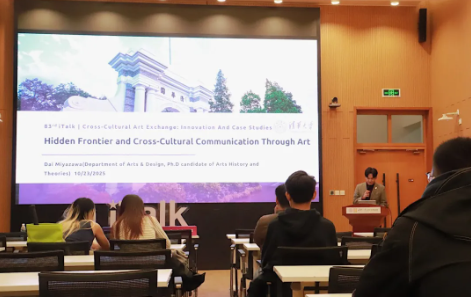
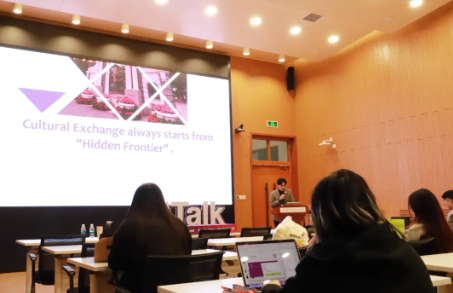
本次iTalk的主题为“跨文化艺术交流:创新与案例”。演讲嘉宾宫泽大构建了一个融合艺术史、艺术理论、创新研究和数字人文的多维度框架,提出成功的跨文化交流并非始于对彼此成熟文化的简单复制,而是始于发现并连接那些“秘境”。
The topic of this iTalk was “Cross-Cultural Artistic Exchange: Innovation and Cases”. The guest speaker, Miyazawa Dai, constructed a multidimensional framework integrating art history, art theory, innovation research, and digital humanities. He proposed that successful cross-cultural communication does not begin with the simple replication of each other's established cultures, but rather with discovering and connecting those “Hidden Frontier”.
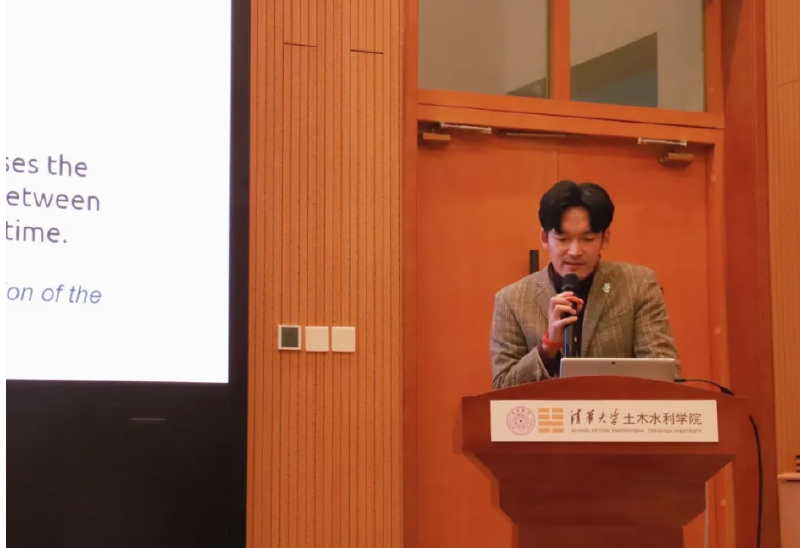
宫泽大是清华大学美术学院艺术史论系博士生,东京艺术大学工艺史专业学士、硕士。曾在东京艺术大学漆艺科进修一年,系统学习传统漆工艺与考古美术史方法,并取得日本国家认可的博物馆学艺员资格。
本次演讲中,宫泽大分享了2017年在上海经历的“文化冲击”,促使他开始重新思考艺术本身。宫泽大发现,即使“工艺”和“工艺美术”这样的基本术语,在中日文化中也存在着细微但关键的差异。由此,他提出了本次演讲的中心思想:文化交流总是始于“秘境”。这里的“秘境”指的是文化、知识、概念和理解中存在差异、隔阂或尚未被探索的领域。
宫泽大借用蚂蚁的化学通讯系统和耶鲁大学鸟类学家Richard O.Prum 提出的“艺术世界的网络本体论”,强调人类艺术可以在不同文化中被赋予新意。此外,宫泽大还从东方艺术史的案例和数字人文两方面证明了“秘境”中知识的重要性。
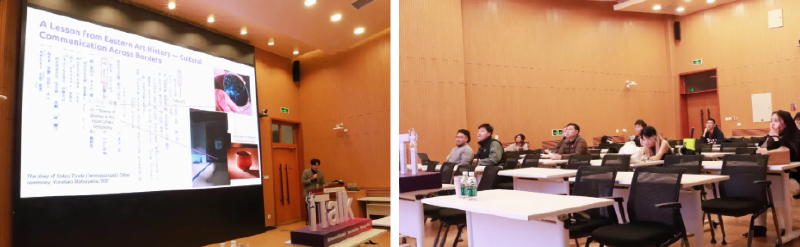
最后,宫泽大指出,艺术品因其可被多种解读的特性,包含了“未探索”的维度,提出了将其应用于实践的路线图,并呼吁:在跨文化交流中,我们应努力成为“秘境”,发现“秘境”,释放“秘境”,以此来实现真正有创新性的、深刻的对话。
Miyazawa Dai is a Ph.D. candidate in the Department of Art History and Theory at the Academy of Arts & Design, Tsinghua University. He holds a Bachelor's and Master's degree in Craft History from Tokyo University of the Arts. He also completed a one-year advanced program in the Lacquer Art Department at Tokyo University of the Arts, where he systematically studied traditional lacquer techniques and art archaeological methods, and obtained the nationally certified Museum Curator qualification in Japan.
In this speech, Miyazawa Dai shared the “culture shock” he experienced in Shanghai in 2017, which prompted him to reconsider the nature of art itself. He observed that even fundamental terms such as “craft” and “craft art” carry subtle yet significant differences in meaning between Chinese and Japanese cultures. Based on this insight, he proposed the central idea of his presentation: cultural exchange always begins at the “Hidden Frontier”. Here, “Frontier” refers to the areas of divergence, separation, or unexplored territories within cultural, intellectual, conceptual, and comprehension domains.
Drawing parallels with the chemical Messages of the ants and the “Network Ontology of the Artworld” proposed by Yale ornithologist Richard O.Prum, Miyazawa Dai emphasized that human art can be reinterpreted and infused with new meaning across different cultures. Furthermore, he demonstrated the significance of knowledge embedded within these “Hidden Frontier” through case studies from Eastern art history and perspectives in digital humanities.
Finally, Miyazawa Dai pointed out that artworks, by their very nature of being open to multiple interpretations, contain “unexplored” dimensions. He proposed a practical roadmap for leveraging this characteristic and issued a compelling call to action : in cross-cultural communication, we should strive to become the “Hidden Frontier”, find the “Hidden Frontier”, and unleash the “Hidden Frontier”, thereby achieving truly innovative and profound dialogue.
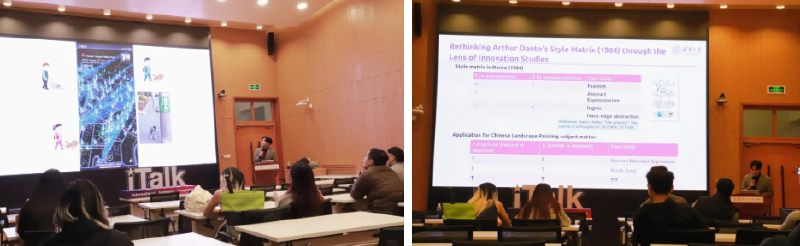
在问答交流环节中,在场同学与嘉宾进行了面对面热烈的讨论。同学与嘉宾之间相谈甚欢,本次活动在轻松愉快的氛围中圆满结束。
In the Q&A session, the students and the guest speaker engaged in a lively face-to-face discussion. The conversation was enjoyable and productive, concluding the event in a pleasant and relaxed atmosphere.
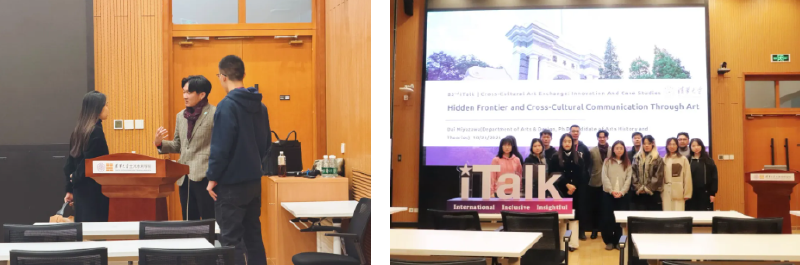
指导单位
清华大学学生全球胜任力发展指导中心
主办单位
清华大学研究生会
清华大学美术学院研究生分会
清华大学土木工程系暨建设管理系研究生分会
编辑|王侯嘉遇